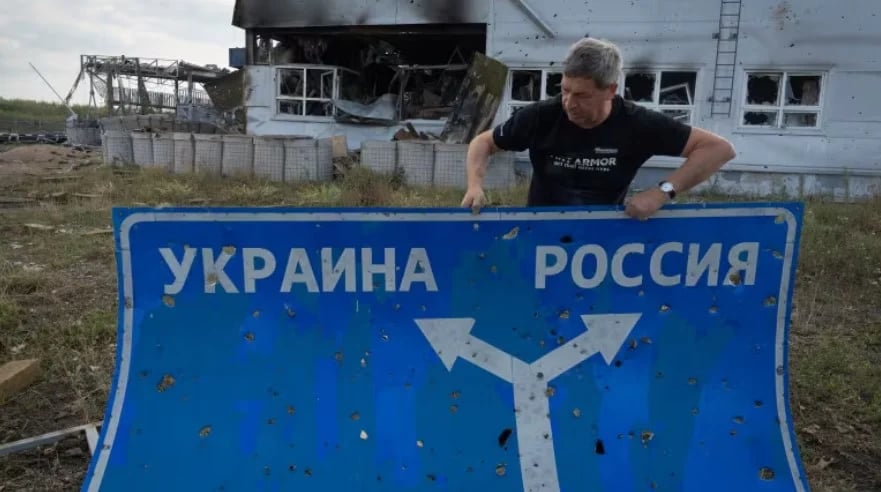
In recent days, Vladimir Putin has intensified his focus on reclaiming the Kursk region from Ukraine, setting a symbolic deadline of January 20th – aligning with the potential inauguration of Donald Trump.
Russia. Putin’s theatrical signaling of independence from any externally driven peace plans reveals the vulnerability behind his aggressive stance. The only way for Putin to resolve this dilemma is some form of ceasefire, with Kursk retaken by force rather than through territorial swaps.
Ukraine. For Ukraine, the battle for Kursk is more than a morale boost. Controlling a piece of Russian territory has become a safeguard against a potentially unfavorable ceasefire. This position provides Ukraine with leverage in negotiations.
The U.S. Ukrainian control over parts of Kursk demonstrates both Ukraine’s military capability and its resistance to abandoning its lands. For the U.S., Putin’s apparent disregard for Trump’s hypothetical peace promises signals that he is unlikely to end the conflict unless it upholds Russian dominance. Ironically, Putin’s insistence on projecting strength may encourage a potential Trump administration to increase military aid to Ukraine.
Conclusion. The Kursk operation was an extremely successful move by Ukraine. Trump will most likely propose a peace plan, and if Russia does not accept it, the U.S. may be inclined to provide even greater support to Ukraine. As Kurt Volker pointed out, Trump would not want a “collapse moment” similar to Biden’s experience in Afghanistan.