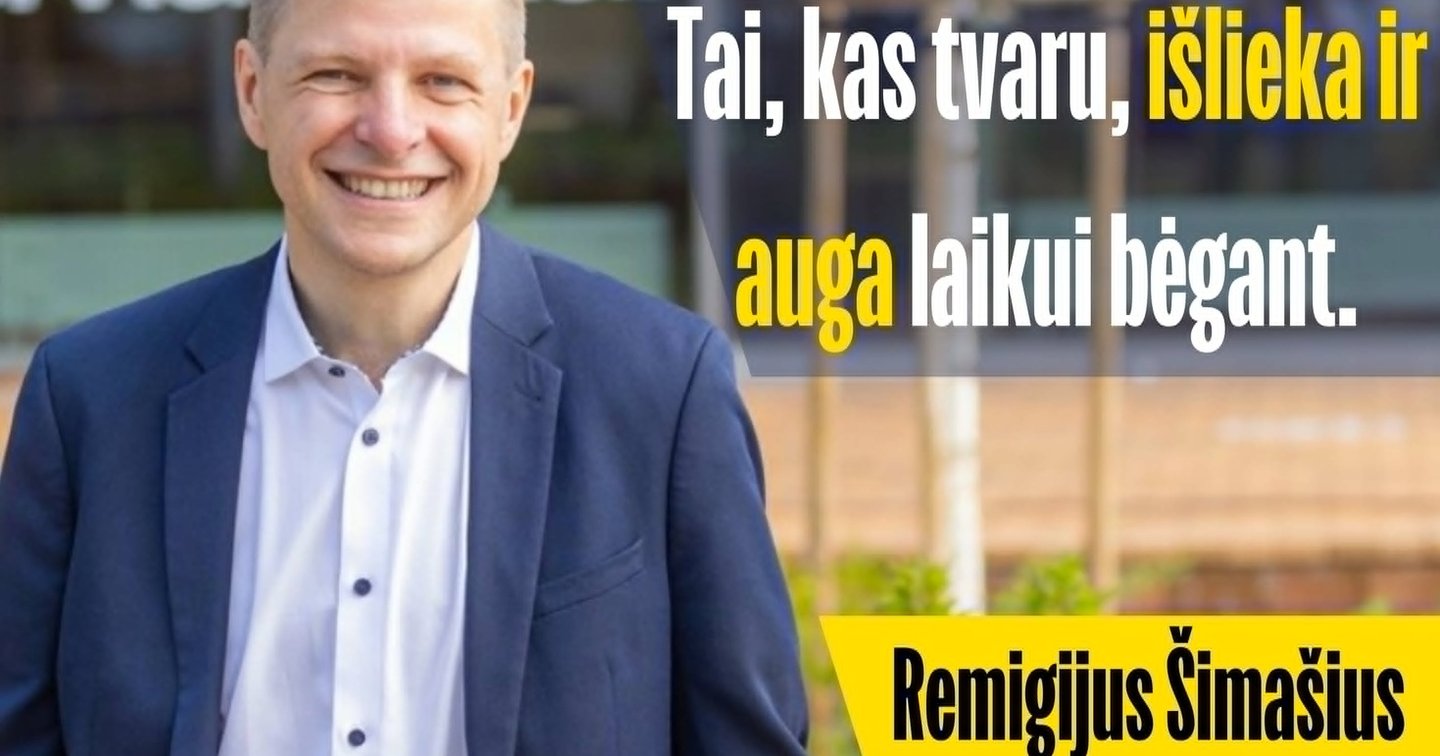
At the Discussion on “Vilnius – The Greenest City in the Making”, Vilnius – European Green Capital 2025 Conference, Vilnius, January 23, 2025.
-
Today is a special day – Vilnius has been declared the European Green Capital of 2025!
-
I am known as a mayor who: (1) narrowed streets, (2) built bicycle paths, (3) restructured Soviet urbanist designs into human-centered ones and demanded higher architectural quality, and (4) planted greenery everywhere I could.
-
I am extremely happy that Vilnius has been chosen as the green capital of Europe – both as a citizen and as the person who signed the application during the last week of my term.
-
Being the Green Capital is not just about intentions or achievements. It is about sustainability. Sustainable actions endure and grow over time.
-
The progress of our city is inspiring. In 2014, only about 100 trees were planted in Vilnius, while in 2022, the numbers grew to 2,389 trees, 61,977 shrubs, and 2,861 climbers! In my opinion, another ten years at this pace, and we’ll be in a great place.
-
Why is this important? Trees beautify the city. Trees reduce air pollution by up to 25%. They provide shade, lowering temperatures by up to 4°C. Greener cities are more attractive – property values near green areas increase by at least 5–15%.
-
There are many obstacles on the path to a greener city: stagnation, greed, poor taste, bureaucrats, technocratic experts, car enthusiasts, and, ironically, even many tree lovers.
-
Cities are the best environments to reduce per capita CO₂ emissions. Cities must be socially dense while allowing for as natural a presence of nature as possible. Green parks alone are not enough – green streets are equally important.
-
Cities are about people. Green cities are cities of people who act green. Last year, I personally planted well over 100 trees – on my own and with my son.